Invoering
Een montagesysteem voor zonnepanelen vormt de basis voor de zonnepanelen en garandeert de stabiliteit van een zonne-energieproject op de lange termijn. Hoewel zonnepanelen en omvormers vaak meer aandacht krijgen, hebben de sterkte en betrouwbaarheid van de montagestructuur een directe invloed op de veiligheid, prestaties en levensduur van het systeem.
Een goed ontworpenzonne-montagesysteemHet systeem moet bestand zijn tegen diverse weersomstandigheden, zoals wind, sneeuw, regen en temperatuurschommelingen. Structurele sterkte is daarom een van de belangrijkste factoren bij de keuze van een betrouwbare montageoplossing voor zonnepanelen.
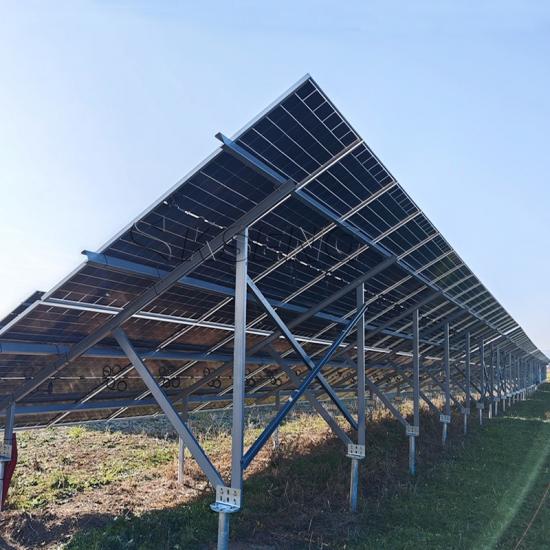 Waarom is structurele sterkte belangrijk bij montagesystemen voor zonnepanelen?
Montagesystemen voor zonnepanelen dragen het gewicht van de panelen en brengen verschillende belastingen veilig over op het dak, de grond of de fundering. Een stevige constructie helpt problemen zoals het verschuiven, vervormen of loslaten van de panelen tijdens langdurig gebruik te voorkomen.
De belangrijkste voordelen van robuuste montagesystemen voor zonnepanelen zijn:
Verbeterde installatieveiligheid
Betere weerstand tegen omgevingsbelastingen
Stabiele ondersteuning voor zonnepanelen
Langere levensduur
Lagere onderhoudsvereisten
Voor verschillende PV-toepassingen moet de montagestructuur worden ontworpen op basis van specifieke projectomstandigheden, waaronder windbelasting, sneeuwbelasting, installatielocatie en systeemgrootte.
Sterke constructie zorgt voor betere weerbestendigheid.
Zonnepanelen worden buiten gemonteerd en moeten bestand zijn tegen wisselende weersomstandigheden. Een robuust ontwerp zorgt ervoor dat het systeem stabiel blijft, zelfs in extreme omstandigheden.
Een betrouwbare montagestructuur voor zonnepanelen moet het volgende bieden:
Luchtweerstand
Sterke wind kan opwaartse krachten uitoefenen op zonnepanelen en montageonderdelen. Een stevige constructie met veilige verbindingen helpt de stabiliteit van de panelen te behouden en vermindert het risico op schade.
Sneeuwbelastingsondersteuning
In gebieden met zware sneeuwval moet het montagesysteem voldoende draagvermogen hebben om extra gewicht veilig te kunnen dragen en de structurele integriteit te behouden.
Duurzaamheid op lange termijn buitenshuis
Door gebruik te maken van duurzame materialen en een degelijk constructief ontwerp, behouden zonne-montagesystemen jarenlang betrouwbare prestaties, zelfs bij blootstelling aan de buitenlucht.
Materiaalkeuze beïnvloedt de structurele prestaties.
Het materiaal dat gebruikt wordt in een montagesysteem voor zonnepanelen speelt een belangrijke rol in de algehele sterkte en duurzaamheid.
Veelgebruikte materialen zijn onder andere:
Aluminium montagesystemen voor zonnepanelen
Aluminiumconstructies worden veel gebruikt vanwege hun:
Lichtgewicht ontwerp
Uitstekende corrosiebestendigheid
Eenvoudige installatie
Lange levensduur bij gebruik buitenshuis
Stalen montagesystemen voor zonnepanelen
Stalen constructies bieden:
Hoge mechanische sterkte
Sterk draagvermogen
Geschikt voor grootschalige zonne-energieprojecten
Door het juiste materiaal te kiezen dat aansluit bij de projectvereisten, wordt een evenwicht gevonden tussen sterkte, duurzaamheid en kostenefficiëntie.
Structureel ontwerp verbetert de betrouwbaarheid van zonne-energieprojecten.
Een professioneel montagesysteem voor zonnepanelen vereist niet alleen sterke materialen, maar ook een geoptimaliseerd technisch ontwerp.
Belangrijke ontwerpfactoren zijn onder meer:
Stabiele verbindingspunten
Juiste lastverdeling
Betrouwbare bevestigingsmethoden
Geschikte installatiehoeken
Aanpassing aan lokale omgevingsomstandigheden
Een goed ontworpen constructie biedt een veilige ondersteuning voor de zonnepanelen en draagt bij aan een constante energieopwekking gedurende de gehele levensduur van het project.
Structurele sterkte voor diverse zonne-energie toepassingen
Verschillende zonne-energieprojecten vereisen verschillende constructieve oplossingen.
Dakmontagesystemen voor zonnepanelen
Waarom is structurele sterkte belangrijk bij montagesystemen voor zonnepanelen?
Montagesystemen voor zonnepanelen dragen het gewicht van de panelen en brengen verschillende belastingen veilig over op het dak, de grond of de fundering. Een stevige constructie helpt problemen zoals het verschuiven, vervormen of loslaten van de panelen tijdens langdurig gebruik te voorkomen.
De belangrijkste voordelen van robuuste montagesystemen voor zonnepanelen zijn:
Verbeterde installatieveiligheid
Betere weerstand tegen omgevingsbelastingen
Stabiele ondersteuning voor zonnepanelen
Langere levensduur
Lagere onderhoudsvereisten
Voor verschillende PV-toepassingen moet de montagestructuur worden ontworpen op basis van specifieke projectomstandigheden, waaronder windbelasting, sneeuwbelasting, installatielocatie en systeemgrootte.
Sterke constructie zorgt voor betere weerbestendigheid.
Zonnepanelen worden buiten gemonteerd en moeten bestand zijn tegen wisselende weersomstandigheden. Een robuust ontwerp zorgt ervoor dat het systeem stabiel blijft, zelfs in extreme omstandigheden.
Een betrouwbare montagestructuur voor zonnepanelen moet het volgende bieden:
Luchtweerstand
Sterke wind kan opwaartse krachten uitoefenen op zonnepanelen en montageonderdelen. Een stevige constructie met veilige verbindingen helpt de stabiliteit van de panelen te behouden en vermindert het risico op schade.
Sneeuwbelastingsondersteuning
In gebieden met zware sneeuwval moet het montagesysteem voldoende draagvermogen hebben om extra gewicht veilig te kunnen dragen en de structurele integriteit te behouden.
Duurzaamheid op lange termijn buitenshuis
Door gebruik te maken van duurzame materialen en een degelijk constructief ontwerp, behouden zonne-montagesystemen jarenlang betrouwbare prestaties, zelfs bij blootstelling aan de buitenlucht.
Materiaalkeuze beïnvloedt de structurele prestaties.
Het materiaal dat gebruikt wordt in een montagesysteem voor zonnepanelen speelt een belangrijke rol in de algehele sterkte en duurzaamheid.
Veelgebruikte materialen zijn onder andere:
Aluminium montagesystemen voor zonnepanelen
Aluminiumconstructies worden veel gebruikt vanwege hun:
Lichtgewicht ontwerp
Uitstekende corrosiebestendigheid
Eenvoudige installatie
Lange levensduur bij gebruik buitenshuis
Stalen montagesystemen voor zonnepanelen
Stalen constructies bieden:
Hoge mechanische sterkte
Sterk draagvermogen
Geschikt voor grootschalige zonne-energieprojecten
Door het juiste materiaal te kiezen dat aansluit bij de projectvereisten, wordt een evenwicht gevonden tussen sterkte, duurzaamheid en kostenefficiëntie.
Structureel ontwerp verbetert de betrouwbaarheid van zonne-energieprojecten.
Een professioneel montagesysteem voor zonnepanelen vereist niet alleen sterke materialen, maar ook een geoptimaliseerd technisch ontwerp.
Belangrijke ontwerpfactoren zijn onder meer:
Stabiele verbindingspunten
Juiste lastverdeling
Betrouwbare bevestigingsmethoden
Geschikte installatiehoeken
Aanpassing aan lokale omgevingsomstandigheden
Een goed ontworpen constructie biedt een veilige ondersteuning voor de zonnepanelen en draagt bij aan een constante energieopwekking gedurende de gehele levensduur van het project.
Structurele sterkte voor diverse zonne-energie toepassingen
Verschillende zonne-energieprojecten vereisen verschillende constructieve oplossingen.
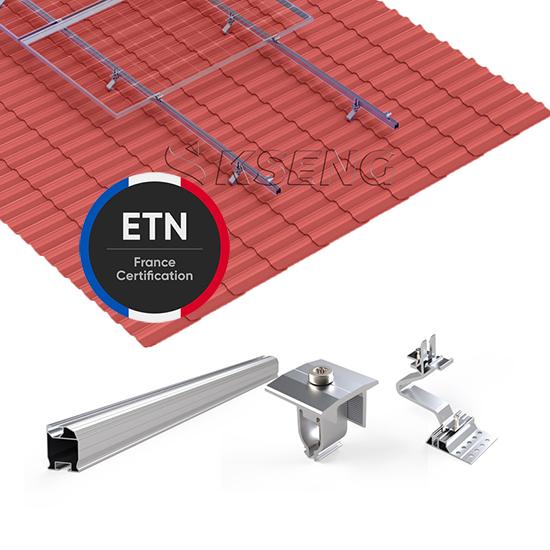
Dakmontagesystemen voor zonnepanelen
Daksystemen vereisen lichtgewicht maar stabiele constructies die veilig kunnen worden geïntegreerd met verschillende daktypen.
 Zonne-energiesystemen op de grond
Grondsystemen vereisen stevige funderingen en ondersteunende constructies om de belastingen en weersomstandigheden buitenshuis te kunnen weerstaan.
Montagesystemen voor zonnecarports
Zonne-energiesystemen op de grond
Grondsystemen vereisen stevige funderingen en ondersteunende constructies om de belastingen en weersomstandigheden buitenshuis te kunnen weerstaan.
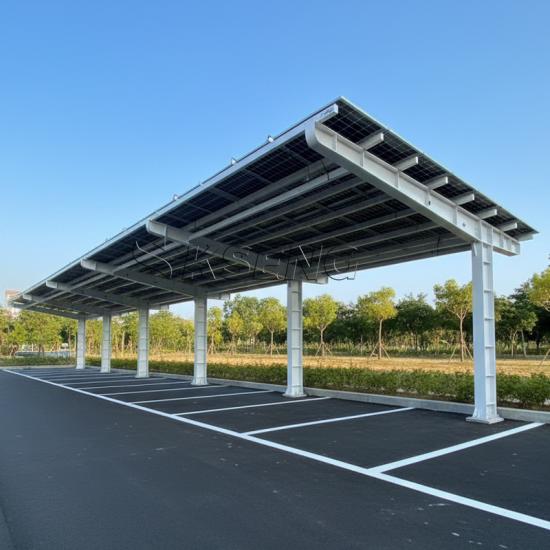
Montagesystemen voor zonnecarports
Zonnecarports vereisen duurzame constructies die zonnepanelen kunnen dragen en tegelijkertijd betrouwbare bescherming bieden aan voertuigen.
 Constructieontwerpen op maat helpen om aan de unieke eisen van elke toepassing te voldoen.
Conclusie
Structurele sterkte is een cruciale factor voor de prestaties en betrouwbaarheid van montagesystemen voor zonnepanelen. Een sterke en professioneel ontworpen montagestructuur biedt stabiele ondersteuning voor de zonnepanelen, verbetert de weersbestendigheid en verlengt de levensduur van het systeem.
Constructieontwerpen op maat helpen om aan de unieke eisen van elke toepassing te voldoen.
Conclusie
Structurele sterkte is een cruciale factor voor de prestaties en betrouwbaarheid van montagesystemen voor zonnepanelen. Een sterke en professioneel ontworpen montagestructuur biedt stabiele ondersteuning voor de zonnepanelen, verbetert de weersbestendigheid en verlengt de levensduur van het systeem.
Door te kiezen voor een hoogwaardige montageoplossing voor zonnepanelen met betrouwbare materialen en een geoptimaliseerd ontwerp, kunnen zonneprojecten een betere veiligheid, efficiëntie en waarde op lange termijn bereiken. Of het nu gaat om installaties op het dak, op de grond of in een carport, een sterke constructie vormt een solide basis voor succesvolle opwekking van zonne-energie.
Veelgestelde vragen
1. Waarom is structurele sterkte belangrijk voor montagesystemen voor zonnepanelen?
Structurele stevigheid is belangrijk omdat een montagesysteem voor zonnepanelen het gewicht van de zonnepanelen draagt en ze beschermt tegen externe invloeden zoals wind, sneeuw en temperatuurschommelingen. Een sterke constructie draagt bij aan de stabiliteit van de panelen, verbetert de installatieveiligheid en garandeert een betrouwbare zonne-energieproductie op de lange termijn.
2. Welke invloed heeft de structurele sterkte op de levensduur van een zonne-montagesysteem?
Een montagesysteem voor zonnepanelen met een sterke constructie is beter bestand tegen weersomstandigheden en vermindert problemen zoals vervorming, corrosieschade en verbindingsproblemen. Een goed constructief ontwerp en duurzame materialen dragen bij aan een langere levensduur van de gehele PV-installatie.
3. Welk materiaal biedt betere structurele prestaties voor montagesystemen voor zonnepanelen?
Zowel aluminium als stalen montagesystemen voor zonnepanelen kunnen, mits goed ontworpen, uitstekende structurele prestaties leveren. Aluminium biedt voordelen zoals een laag gewicht en corrosiebestendigheid, terwijl staal een hoge mechanische sterkte en een groot draagvermogen biedt voor grootschalige zonne-energieprojecten.
4. Waarom is materiaalkeuze belangrijk voor de sterkte van een zonne-montagesysteem?
De materiaalkeuze heeft een directe invloed op de duurzaamheid, het draagvermogen en de betrouwbaarheid op lange termijn van een montagesysteem voor zonnepanelen. Door geschikte materialen te kiezen die aansluiten bij de projectvereisten, wordt ervoor gezorgd dat de constructie bestand is tegen omgevingsinvloeden en tegelijkertijd stabiele prestaties levert.
5. Hoe kunnen sterke montagesystemen voor zonnepanelen de onderhoudskosten verlagen?
Een stevig montagesysteem voor zonnepanelen vermindert de onderhoudsbehoefte door structurele vervorming, losse verbindingen en weersschade te minimaliseren. Betrouwbare constructies dragen bij aan een stabiele werking van zonne-energieprojecten en verminderen de noodzaak voor frequente inspecties of reparaties.
6. Waarom zouden montagesystemen voor zonnepanelen ontworpen moeten worden op basis van de lokale omstandigheden?
Verschillende regio's kennen verschillende milieu-uitdagingen, zoals harde wind, zware sneeuwval, hoge luchtvochtigheid of blootstelling aan zout aan de kust. Het ontwerpen van montagesystemen voor zonnepanelen op basis van de lokale omstandigheden zorgt voor betere structurele prestaties, veiligheid en betrouwbaarheid op lange termijn.



 IPv6-netwerk ondersteund